Imagine standing at the trailhead, the scent of pine in the air and the crunch of gravel under your boots. Hiking offers an escape into nature’s beauty, but let’s face it—it can also drain your wallet if you’re not careful. Between gear, snacks, and transportation, costs add up fast, leaving you wondering if adventure always has to come with a hefty price tag.
The good news? It doesn’t. With a little planning and creativity, you can enjoy the great outdoors without overspending. Whether you’re a seasoned hiker or just starting out, there are plenty of smart ways to save money while still making the most of your trek. Ready to hit the trails without very costly? Let’s immerse.
Planning Ahead for Cost-Effective Hiking Trips
Preparation helps minimize unnecessary expenses during hikes. By selecting economical options and scheduling wisely, you can save while enjoying your adventure.
Choosing Budget-Friendly Destinations
Opt for nearby trails to cut transportation costs. State parks or local nature reserves often have free or low-entry fees compared to national parks. Check online reviews or forums for recommendations on affordable hiking spots in your area.
Researching Trail Costs and Permits
Confirm if your chosen trail requires a permit. Fees range from $0 to $50, depending on the location. Visit official websites or apps like AllTrails to find this information. Some parks waive fees for specific days annually, providing an opportunity to save.
Timing Your Hike for Savings
Plan hikes during off-peak seasons to avoid higher lodging and activity costs. Weekdays usually offer fewer crowds and lower prices for parking or accommodations. Early spring or late fall may provide favorable conditions while remaining budget-friendly.
Packing Essentials Without Overspending
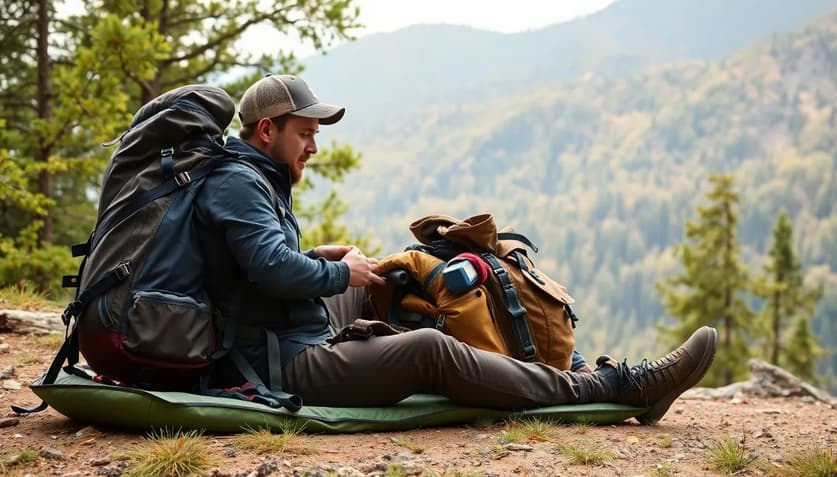
Hiking doesn’t need to expensive. Packing wisely reduces costs while ensuring you have everything you need.
Reusing and Repurposing Gear
Use items you already own instead of buying new ones. A sturdy backpack doubles as your hiking pack; old clothes make effective hiking layers when paired appropriately. Repurpose household items like plastic bags for waterproofing or old jars for storing small snacks. Modify gear creatively, like cutting old foam mats to use as lightweight seating pads.
Prioritizing Second-Hand or Rented Equipment
Get essential hiking tools by purchasing second-hand or renting them. Online marketplaces, thrift stores, and local gear retailers often sell quality used items like trekking poles, boots, or tents. Rent expensive gear like GPS devices or sleeping bags if they’re needed occasionally, reducing upfront expenses while maintaining quality.
Packing Affordable and Nutritious Food
Bring cost-effective, energy-packed food for your hike. Opt for oats, rice, or pasta as meal bases and pair them with low-cost proteins, like canned tuna or lentils. Choose snacks like nuts, dried fruit, and granola bars bought in bulk to save money. Pack refillable water bottles instead of buying single-use ones to stay hydrated while lowering expenses.
Tips to Save Money While on the Trail
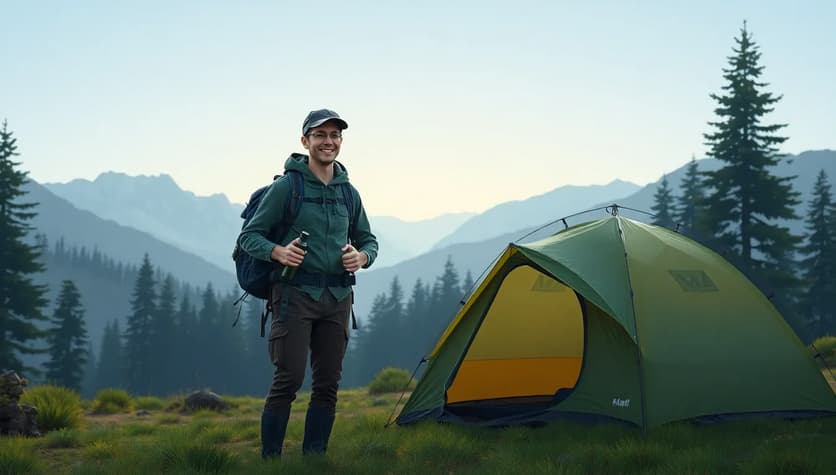
Being mindful of expenses during a hike ensures you can enjoy the experience without worrying about costs. Simple strategies can help reduce spending while keeping you fully prepared.
Camping Instead of Lodging
Choose camping to save money on overnight stays. Many trails have campsites with lower fees compared to hotels or motels. Use public or state park campsites that often cost $10-$30 per night. Carry your own tent or sleeping gear instead of renting to cut extra charges. If camping is free on your trail, confirm the rules and permits to avoid unexpected fines.
Reducing Transportation Expenses
Carpool with friends to lower fuel costs when traveling to the trailhead. Use public transportation where possible to eliminate parking fees. Select hikes closer to home to minimize travel costs. Park in free lots near the trail, or consider cycling if the distance allows. Choose weekdays to avoid higher weekend parking fees.
Avoiding Unnecessary Purchases
Reuse hiking gear instead of buying new items for every trip. Borrow equipment like trekking poles or stoves from friends if you don’t use them often. Shop at thrift stores or check online marketplaces for second-hand supplies. Avoid buying extra gadgets or luxury gear unless they’re essential for safety. Pack food and water from home to avoid expensive convenience store items.
Benefits of Budget-Friendly Hiking
Reduces Financial Stress
Budget-friendly hiking allows you to enjoy outdoor activities without financial strain. Focusing on low-cost options, like local trails or free-entry parks, helps you stay active while managing expenses. Reducing costs lets you hike more frequently and maintain financial goals.
Encourages Resourcefulness
Saving money inspires creative solutions for gear, food, and transportation. Using items you already own, borrowing, or purchasing second-hand enables you to avoid unnecessary spending. Packing meals from home and choosing affordable snacks help you adapt to hiking needs while staying within budget.
Supports Environmental Awareness
Affordable hiking practices, such as reusing gear and opting for nearby trails, minimize waste and reduce your carbon footprint. Choosing close-to-home destinations lowers transportation emissions, aligning your outdoor experience with eco-conscious habits.
Expands Accessibility
Lowering costs makes hiking more inclusive by removing financial barriers. Affordable options like free parks or group hikes ensure more people can enjoy nature. This approach broadens opportunities for friends and family to join you on budget-friendly adventures.
Builds Practical Skills
Planning budget-friendly hikes teaches skills like meal prep, trip planning, and improvisation. For instance, creating DIY solutions for camping gear or preparing homemade trail food enhances problem-solving abilities while reducing costs.
Conclusion
Hiking doesn’t have to be a costly adventure. By making thoughtful choices and embracing a resourceful mindset, you can explore the great outdoors without overspending. Small adjustments like reusing gear, packing budget-friendly snacks, and choosing nearby trails can make a big difference in your overall costs.
Focusing on budget-friendly options not only saves you money but also opens up more opportunities to enjoy nature on your terms. With a little planning and creativity, you’ll find that hiking can be both affordable and deeply rewarding.