Picture this: you’re craving the great outdoors, the kind of escape where fresh air fills your lungs and nature becomes your playground. But as you dream of starry skies or rugged trails, one question looms—what’s this adventure going to cost you? Whether you’re drawn to the simplicity of hiking or the cozy setup of camping, understanding the budget differences can make or break your plans.
Hiking and camping might seem similar, but their costs vary in surprising ways. From gear to permits and everything in between, knowing where your money will go helps you plan smarter and enjoy more. So, how do these two outdoor escapes stack up when it comes to your wallet? Let’s break it down and help you decide which adventure fits your budget best.
Understanding The Basics Of Hiking And Camping Budgets
Hiking and camping require different budgets because the gear, location, and length of the trip aren’t the same. Looking at these differences helps you spend your money wisely. For more help, check out these money tips and strategies.
Costs For Hiking Activities
Hiking often requires minimal equipment. For single-day hikes, essential items include sturdy footwear, weather-appropriate clothing, a backpack, and basic safety gear like a first aid kit. Costs for this gear range from $100 to $500, depending on quality. Trail access is sometimes free, though specific parks or reserves charge entrance fees averaging $10 to $30 per person.
Longer hikes, such as multi-day treks, add expenses for food, water filtration, and potential camping permits. Multi-day hiking costs typically range from $20 to $80 for permits and supplies beyond standard gear.
Expenses For Camping Adventures
Camping has broader requirements. Overnight or extended stays call for items such as tents, sleeping bags, cooking equipment, and campsite reservations. High-quality camping gear costs between $300 and $1,200, depending on the brand and durability. Campsite fees vary, with prices ranging from $15 to $50 per night based on amenities provided, such as water access and restrooms.
Unlike hiking, car access to camping areas may involve additional costs, including fuel and possible parking fees. These expenses often reach $20 to $100, depending on the campsite location.
Budget Planning Tips
Calculate fixed and variable costs before your trip. For hiking, focus on safety gear and trail access fees. For camping, prioritize essential gear and accommodations. By understanding your needs, you can save while fully enjoying your outdoor adventure.
Key Cost Categories For Hiking Budgets
Hiking budgets depend on several key cost categories. Understanding these areas helps you allocate your resources effectively and avoid unexpected expenses.
Gear And Equipment
Gear costs vary based on hike duration and difficulty. Essential items include hiking boots ($50–$200), a backpack ($40–$150), and weather-appropriate clothing ($30–$100). For longer hikes, additional items like trekking poles ($25–$150) or a lightweight first aid kit ($15–$50) may be necessary. High-end or technical gear adds further cost.
Permits And Fees
Permits may be required for entry to national parks or specific trails. Costs generally range from $10 to $35. For multi-day hikes, you might need backcountry camping permits, which often cost $5 to $20 per night. Consider reservation fees, which some parks charge during peak seasons.
Food And Water
Hiking food focuses on lightweight, high-energy options. Pre-packaged hiking snacks and meals cost $5 to $10 per day. Multi-day hikes require meal kits or dehydrated foods, which cost $8–$15 per meal. Include water filtration systems ($20–$80) if access to clean water is limited.
Transportation
Transportation costs depend on trail access. Gas costs for driving could range from $10 to $50, depending on distance. If public transport is an option, local bus fares range from $2 to $10. In cases where shuttles or transport services operate near trailheads, prices average $10 to $30 per trip.
Key Cost Categories For Camping Budgets
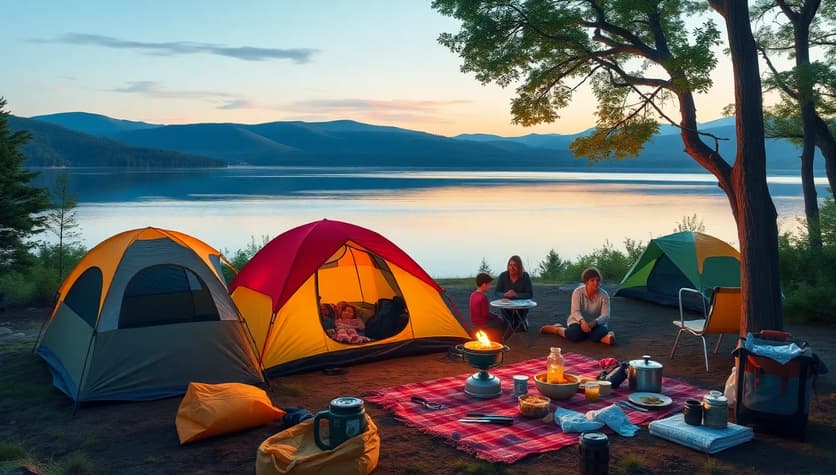
Camping expenses can vary depending on the type of trip and how prepared you are. Understanding core cost categories helps manage your budget effectively.
Shelter And Site Fees
Campground fees range from $15 to $50 per night. Costs depend on the campsite’s location, amenities, and popularity. For dispersed camping, many sites on public lands are free but may lack facilities like restrooms and water access. You might also invest in a tent, with prices ranging from $50 for basic versions to $500 for durable, weather-resistant options.
Cooking And Food Supplies
Camping stoves cost $20 to $150, while fuel canisters range from $5 to $15 each. Cooler rentals or purchases might add extra, with prices starting at $25. For food, planned meals using non-perishable items are affordable, costing around $5 to $15 per person per day. Pre-packaged camping meals average $6 to $12 each.
Gear And Extras
Basic camping gear includes sleeping bags ($30 to $300), sleeping pads ($20 to $200), and multi-tools or knives ($10 to $50). Other costs might involve lighting devices like lanterns or headlamps, which range from $10 to $100, and first aid kits, costing $15 to $50. Upgrades like portable power banks ($20 to $150) or chairs ($20 to $80) improve comfort.
Transportation
Travel expenses vary based on your destination and mode of transport. Gasoline costs fluctuate, averaging $0.13 to $0.26 per mile for most vehicles. Renting camping-specific vehicles might cost $50 to $200 daily. Parking fees at campsites or public lands range from $5 to $20 where applicable.
Comparing Budgets For Hiking Vs Camping
Hiking and camping budgets share some overlaps but differ significantly in other areas. Understanding these differences can help plan your expenses effectively.
Cost Differences And Overlaps
Hiking budgets often focus on gear for mobility and safety. Essential items like hiking boots, backpacks, and navigation tools cost between $100 and $500. Camping, on the other hand, requires gear that supports overnight stays, such as tents, sleeping bags, and cookware, with total costs ranging from $300 to $1,200.
Both activities may include shared expenses. Food expenses for energy-dense items cost $5 to $15 per day for both. Transportation, covering gasoline or public transit, can range from $10 to $100 based on distance. Permit fees, applicable to both, vary between $10 and $50 but may not always apply, depending on the location.
Factors Influencing The Budget
Duration affects both hiking and camping costs. Day hikes are less expensive, while longer trips or overnight camping require additional supplies and gear. Location impacts budget through site fees for camping ($15 to $50 per night) or access fees for hiking ($10 to $30), with some areas offering free options.
Season determines prices of gear like weather-appropriate clothing or insulated sleeping bags. Travel distance also adds transportation costs, varying with fuel prices or transport mode. For group activities, costs like campsite fees may be split, whereas solo trips require single-person coverage. Prioritize quality gear to reduce long-term replacement expenses.
Tips For Cutting Costs In Both Activities
- Borrow or Rent Gear
Use borrowed or rented gear for items like sleeping bags, tents, or backpacks instead of purchasing them. Local outdoor shops often rent high-quality equipment, or you can borrow from friends or family.
- Shop Secondhand
Buy used equipment from thrift stores, online marketplaces, or outdoor gear resale platforms. Look for durable items like hiking boots, jackets, or cooking gear at lower prices.
- Plan Off-Season Trips
Schedule trips during off-peak seasons to save on campgrounds, permits, and destination fees. Many locations reduce prices in lesser-visited months.
- Carpool for Transportation
Share rides with friends or group members to reduce fuel costs. This also minimizes parking fees at trailheads or campsites.
- Choose Free or Low-Cost Locations
Select free dispersed camping sites or trails without entry fees. Public lands, like national forests, often have free-access areas.
- DIY Food Preparation
Prepare food at home instead of buying pre-packaged meals. Bulk cooking and simple recipes reduce costs and allow for menu customization.
- Reduce Gear Upgrades
Avoid optional upgrades like ultralight gear or luxury camping items. Focus on functional, cost-effective options.
- Leverage Group Discounts
Book group permits or campsites to split costs and benefit from group discount rates for activities or transportation.
- Use Rewards Programs
Apply loyalty points or discounts from outdoor retailers for gear purchases. Frequent shopper cards or memberships help lower costs.
- Maintain Your Gear
Store gear properly and repair items as needed. Extending the life of your equipment prevents frequent replacement expenses.
Conclusion
Understanding the financial aspects of hiking and camping helps you plan adventures that align with your budget and preferences. While each activity offers unique experiences, their costs vary based on gear, trip duration, and location. By prioritizing essential items and exploring cost-saving strategies, you can enjoy the great outdoors without overspending. Whether you’re hitting the trails or setting up camp, thoughtful budgeting ensures a safe and memorable journey.